 This Week
Now
This Week
Now
This Week
Now
This Week
Now
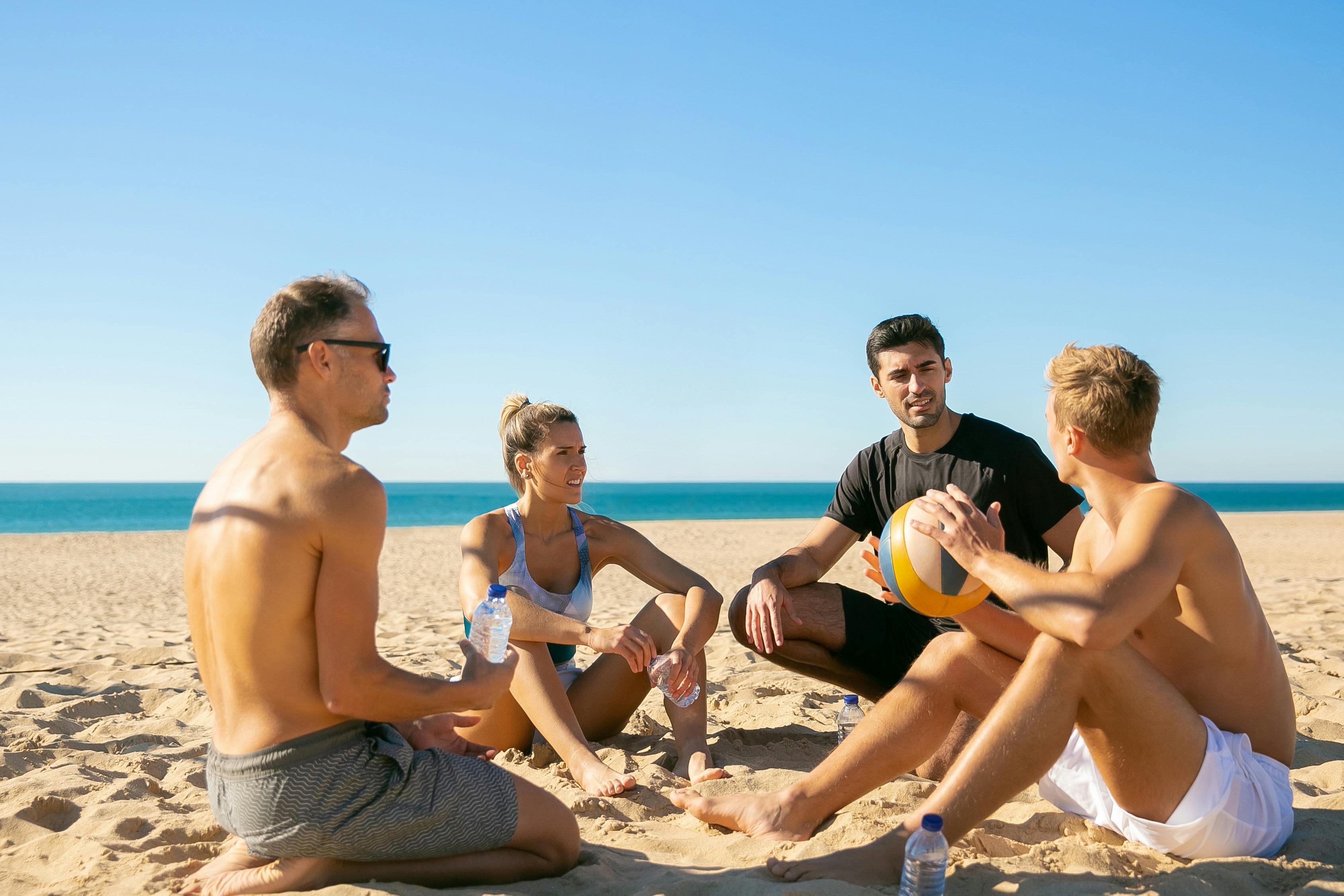
Maintaining athletic performance while participating in social activities is a common challenge for individuals who want to excel both on and off the field. Social habits, such as attending gatherings, dining out, or spending time with friends, can sometimes clash with the routines necessary for optimal athletic development. Understanding how to strike a balance helps people stay committed to their goals without sacrificing important social connections. Lifestyle choices and consumer preferences are often topics of discussion in these settings, including the growing popularity of heated tobacco products among adult users. In the UK, many consumers choose authentic TEREA Tobacco Sticks for use with IQOS ILUMA devices, purchasing them from online retailers that offer genuine products, a wide range of flavors, and nationwide delivery across Britain. These conversations illustrate how modern product choices can become part of broader discussions about lifestyle, habits, and personal preferences.
Socializing plays a crucial role in maintaining mental and emotional well-being, which is significant for any athlete. Positive social habits can contribute to motivation, stress relief, and a sense of community. Athletes who maintain strong social connections often find greater support in reaching their goals and handling the pressures of competition. However, it is essential to recognize the impact that certain social behaviors may have on training routines, recovery, and overall health. By developing awareness, athletes can make informed choices that support both their social and athletic lives.
Social support networks offer encouragement, advice, and emotional reinforcement, all of which can positively affect athletic performance. Friends and family can provide motivation during challenging periods, celebrate achievements, and help maintain accountability. Being part of a community may also enhance commitment and enjoyment in athletic pursuits. It is important for athletes to nurture these relationships, as isolation can lead to burnout or decreased enthusiasm for training. Support from peers and loved ones often translates to improved resilience and a more positive outlook.
Certain social activities, such as late-night events, excessive eating or drinking, and exposure to unhealthy habits, can interfere with an athlete’s performance. Lack of sleep, poor nutritional choices, and reduced recovery time are common consequences of unbalanced social habits. Over time, these risks can lead to decreased energy, impaired concentration, and a higher likelihood of injury. By identifying potentially harmful behaviors, athletes can better manage their decisions and prioritize activities that align with their training goals.
Balancing social life with athletic responsibilities requires strategic planning and self-discipline. Athletes can adopt practical measures to enjoy social interactions without compromising their progress. Establishing boundaries, prioritizing commitments, and making mindful choices are key components of this process. Effective time management and communication with friends and teammates are also vital. Through thoughtful decision-making, athletes can participate in social events while safeguarding their health and performance.
Learning to set clear boundaries allows athletes to manage their time and energy effectively. This includes knowing when to decline invitations that conflict with training or recovery schedules. Prioritizing events that have a positive impact on well-being or provide meaningful connections is essential. Athletes should communicate their commitments to friends and family to foster understanding and support. By making intentional choices, they can maintain strong social relationships and remain dedicated to their athletic pursuits.
It is possible to enjoy social gatherings while adhering to healthy habits. Athletes can opt for nutritious food options, moderate their consumption of substances like alcohol, and ensure adequate hydration. Engaging in conversations and activities that do not center around unhealthy behaviors also contributes to better outcomes. By preparing in advance, such as bringing healthy snacks or setting a limit on the duration of an outing, athletes can participate fully in social life without negative consequences to their training.
Rest and recovery are integral to athletic success and can be compromised by frequent social engagements. Ensuring sufficient sleep, managing stress, and allowing the body time to repair itself are critical for optimal performance. Social events that lead to late nights or disrupted routines may hinder recovery processes. Athletes must be mindful of the importance of rest and prioritize it alongside their social commitments. Maintaining a balance helps prevent fatigue, reduces injury risk, and supports long-term success.
A consistent sleep routine is fundamental for athletes aiming to maximize their abilities. Irregular bedtimes, often a result of social activities, can disrupt the body’s natural rhythm and impair recovery. Establishing a regular schedule and communicating its importance to friends can help reduce conflicts. Prioritizing sleep does not mean avoiding social life entirely but rather making choices that protect health and performance. Consistency in rest habits leads to better energy levels, mood, and athletic results.
Socializing does not always have to involve sedentary activities or unhealthy habits. Athletes can invite friends to participate in active forms of socialization, such as group walks, recreational sports, or fitness classes. This approach allows for meaningful interactions while supporting recovery and overall fitness. Incorporating movement into social time can help athletes stay on track with their goals and encourage others to adopt healthier lifestyles. Active recovery also aids in muscle repair and stress reduction.
Finding harmony between social habits and athletic performance is achievable with awareness, planning, and communication. Athletes who recognize the value of both aspects can enjoy fulfilling social lives while continuing to advance in their sport. By making conscious decisions, setting boundaries, and prioritizing rest, individuals can thrive both personally and athletically. A sustainable balance leads to improved motivation, better health, and longer-lasting success. Ultimately, integrating positive social habits with athletic routines enhances overall quality of life.