 This Week
Now
This Week
Now
This Week
Now
This Week
Now
Most blogs fail not because the writing is bad, but because publishing is irregular and topics are not connected to a strategy. A reliable blog management service builds a repeatable workflow that turns research, writing, publishing, and updates into a predictable growth system ✨. This article explains how blog management drives topic authority and qualified organic traffic.
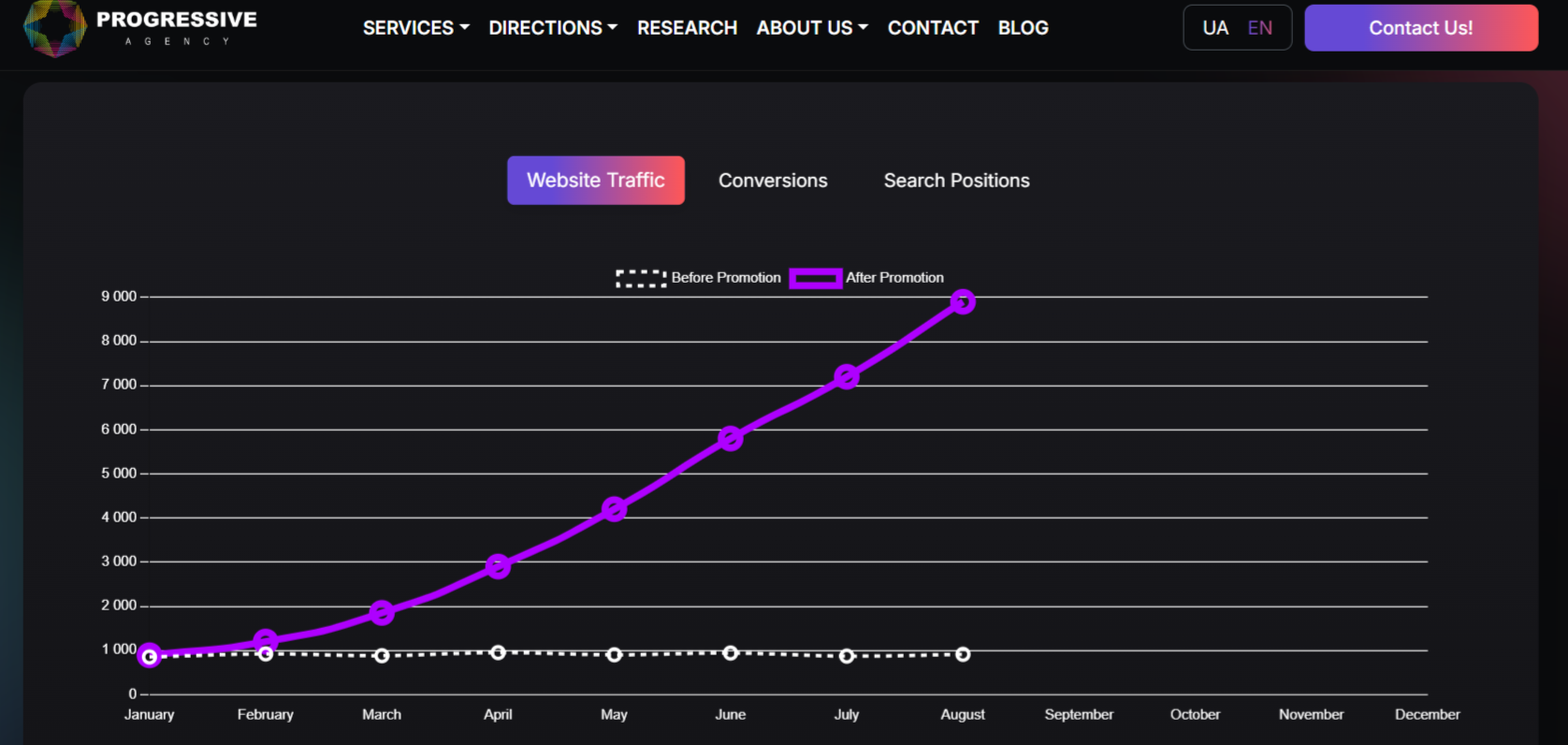
Authority grows when content is organized into clusters, not when posts are random. Blog management starts with keyword intent mapping, then assigns clusters to pillar pages and supporting articles so each post has a job ✅. Some posts capture informational queries, others answer objections, and others route readers to product or service pages, creating a clear funnel path ✨.
A managed blog needs roles, deadlines, and standards. Typical workflow includes brief creation, outline approval, writing, editing, fact checking, SEO optimization, and publication scheduling ✅. Style guides keep tone consistent, while templates make production faster and reduce rework. A clear review process also prevents last minute changes that break timelines ✨.
Publishing is only one step, because search results depend on how pages are structured. Blog management includes title and meta optimization, headings, internal linking, image hygiene, and structured snippets where appropriate ✅. Updating older high performing posts is often a faster win than writing new content, because refreshed pages can regain rankings and improve click through quickly ✨.
Use this workflow as a practical how to checklist ✅.
A scalable blog program relies on a few shared blocks that keep teams aligned. Useful blocks include a topic map, a content calendar, a brief template, a style guide, an internal linking plan, and a performance dashboard ✅. These blocks reduce confusion, speed up production, and make results measurable across writers and editors ✨.
Clear conditions help maintain cadence and quality without burnout ✅.
| Condition | Recommended baseline | Why it matters |
|---|---|---|
| Publishing cadence | 4 to 8 posts per month | Consistent growth ✅ |
| Topic clusters | 3 to 5 core themes | Builds authority ✨ |
| Editorial standards | Brief outline review QA | Protects quality |
| Internal linking | Targets per article | Supports conversions ✅ |
| Reporting | Monthly KPIs and actions | Continuous improvement ✨ |
When clusters expand and internal links connect posts to revenue pages, the blog becomes an acquisition asset that improves monthly. Rankings stabilize by topic, lead quality rises, and paid campaigns benefit because content supports trust and objections ✅. With consistent management and scheduled updates, a blog becomes a predictable engine for topic authority growth ✨.