 This Week
Now
This Week
Now
This Week
Now
This Week
Now
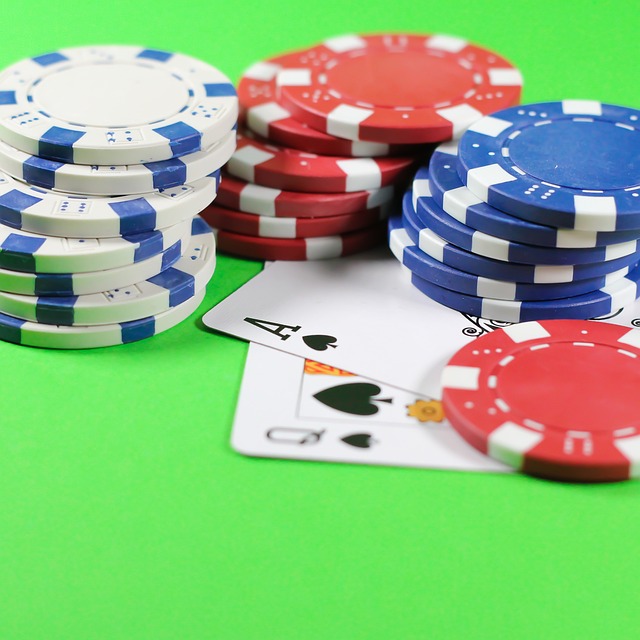
So you’ve walked up to a roulette table – or loaded one on your phone – and those numbers, colours, and chips feel like a foreign language.
Let’s sort that out.
No maths degree needed, just a few clear rules that separate winning spins from costly mistakes.
This guide walks you through wheel types, bets, payouts, and the little-known rules that shift the house edge in your favour.
Stick with this, and you’ll know exactly what’s happening when the ball drops.
The primary difference between the two roulette variants is the number of zero pockets on the wheel. European roulette uses a single zero, giving it 37 numbered pockets (0 to 36). American roulette adds an extra double-zero pocket, bringing the total to 38. This small change has a direct and measurable effect on your odds.
The European wheel’s single zero gives you a house edge of just 2.70%, whereas the American double-zero variant jumps to 5.26% – a significant difference over many spins. That’s why most UK players actively seek out European roulette when playing online.
For those looking to play online, a platform like shelbywin casino provides a range of roulette variants including the more favourable European version. Knowing which wheel to choose is the first step in getting the best return on your bets.
In practice, the roulette table layout remains the same for both versions. The betting areas are identical, but the extra 00 pocket in American roulette shifts the probability on every bet type.
Roulette bets fall into two main categories: inside bets and outside bets. Inside bets are placed on specific numbers or small groups of numbers within the main betting grid. These offer higher payouts but lower probability of winning. Outside bets cover larger sections of the wheel, such as red or black, odd or even, or high or low numbers. They pay at lower odds but win more frequently.
Most beginners start with outside bets because they’re simpler to understand and provide more regular wins. Experienced players often mix both types to balance risk across their session.
The extra 00 pocket in American roulette is the defining rule difference. It increases the house edge from 2.70% to 5.26% on nearly every bet. This change also creates a unique bet known as the “basket bet” (or five-number bet) covering 0, 00, 1, 2, and 3. That particular bet has an even higher house edge of 7.89%, making it one of the worst bets in any casino game.
European roulette avoids this entirely. With only a single zero, the probability on all standard bets remains consistent. For UK players, the European version is the logical choice for better long-term value.
Every roulette bet has a fixed payout ratio based on the number of pockets it covers. These ratios are the same for European and American wheels, but the probability of winning differs because of the extra pocket on American versions. Below is a clear breakdown of each standard bet type with exact payout multiples.
No strategy talk here – just the numbers. Understanding these figures helps you evaluate the risk on each spin without relying on guesswork.
For example, a £10 straight-up win on European roulette returns £350 plus your original stake – £360 total. The probability of hitting that single number is 1 in 37.
Even-money bets (1:1 payout) may seem safer, but they still carry the same 2.70% house edge in European roulette as every other standard bet. The odds of winning are 18 out of 37, not an even 50/50.
Straight up: 35:1. You bet £10, you win £350 plus your £10 back. Split: 17:1. You bet £10 on two numbers, you win £170 plus your stake. Both bets lose if the ball lands on zero in European roulette, unless a special rule applies.
Street: 11:1. A £10 bet on a row of three numbers returns £110 plus your stake. Corner: 8:1. A £10 bet on four numbers returns £80. Six Line: 5:1. A £10 bet on two rows (six numbers) returns £50. These are the highest payout inside bets after straight up and split.
Standard European roulette gives you a house edge of 2.70% on all bets. But some tables, particularly French roulette variants, offer special rules that apply to even-money bets when the ball lands on zero. These rules can reduce the house edge on those bets to around 1.35% – a meaningful reduction over many spins.
Three main rules exist: En Prison, La Partage, and Surrender. Not all tables advertise them, so it pays to check the rules before you start betting.
Imagine you bet £20 on red, and the ball lands on zero. Under En Prison, your bet is not lost immediately. Instead, it is “imprisoned” for the next spin. If the next spin lands on red, your £20 is returned. If it lands on black, you lose it. If zero hits again, your bet remains imprisoned for another spin.
No loss yet – just a chance to win or lose on the next round. This rule effectively gives you a second opportunity to reclaim your stake.
La Partage is common on European and French tables. When the ball lands on zero and you have an even-money bet, you immediately lose half your stake. The other half is returned to you. So a £20 bet on black with a zero lands you £10 back straight away.
Surrender is an American roulette rule that works similarly. It applies only to even-money bets when the ball hits 0 or 00. You lose half your stake and the rest is returned. The house edge on those bets drops from 5.26% to about 2.63%.
You place £20 on black. The ball lands on zero. Under standard rules, you lose the full £20. Under La Partage, you get £10 back immediately. Under En Prison, your £20 is held for the next spin. If the next spin lands on black, you get the full £20 back. If it lands on red, you lose it.
La Partage gives you immediate cash back – simpler and predictable. En Prison gives you a second chance to recover the full stake, but no immediate refund. Both rules outperform standard roulette where you lose everything on zero. From a pure probability standpoint, La Partage reduces the house edge to 1.35% on even-money bets, while En Prison also achieves roughly the same effect.
Every roulette table has posted minimum and maximum bets. The table minimum applies to the total of all your inside bets combined. Individual bet types also have their own maximums. For example, a £1 minimum table might allow a £100 maximum on a straight-up bet, but a £500 maximum on red/black.
Land-based casinos require you to place physical chips on the betting cloth. Online roulette uses a digital interface where you click to stack chips. Both versions follow the same betting rules, but the pace and convenience differ.
The table minimum is the smallest total you can bet on inside numbers. Outside bets like red/black have separate maximums that are typically higher. If the table says “£1 minimum”, you need to place at least £1 in total inside bets per spin. Each straight-up bet can have its own maximum, often displayed on a sign above the table.
For online roulette, the software clearly shows minimum and maximum limits for each bet type before you place chips. Always check these limits before starting a session, especially if you are practising a specific betting approach.
At a physical table, wait for the dealer to clear all losing bets before placing new chips. Do not touch the chips once the ball is in motion. If you want to place a verbal bet (like “red” or “25 straight up”), state it clearly before the dealer announces “no more bets”.
The dealer will then spin the wheel and roll the ball. When the ball lands, the dealer marks the winning number and pays out winning bets before clearing losers. Keeping your hands away from the layout during the spin is standard etiquette.
Each player at a land-based table receives a different colour chip. You buy in with cash, and the dealer assigns a value to your chips. Other players cannot use your chips, which prevents confusion. Online, you simply select a chip denomination and click on the betting area. The software handles all chip separation automatically.
Online roulette offers autoplay options where you set a number of spins to run automatically with the same bets. RNG-based games use software to determine results, while live dealer roulette uses a real wheel and camera. The rules are identical to land-based versions, but the pace is faster and there are no physical chips to handle.