 This Week
Now
This Week
Now
This Week
Now
This Week
Now
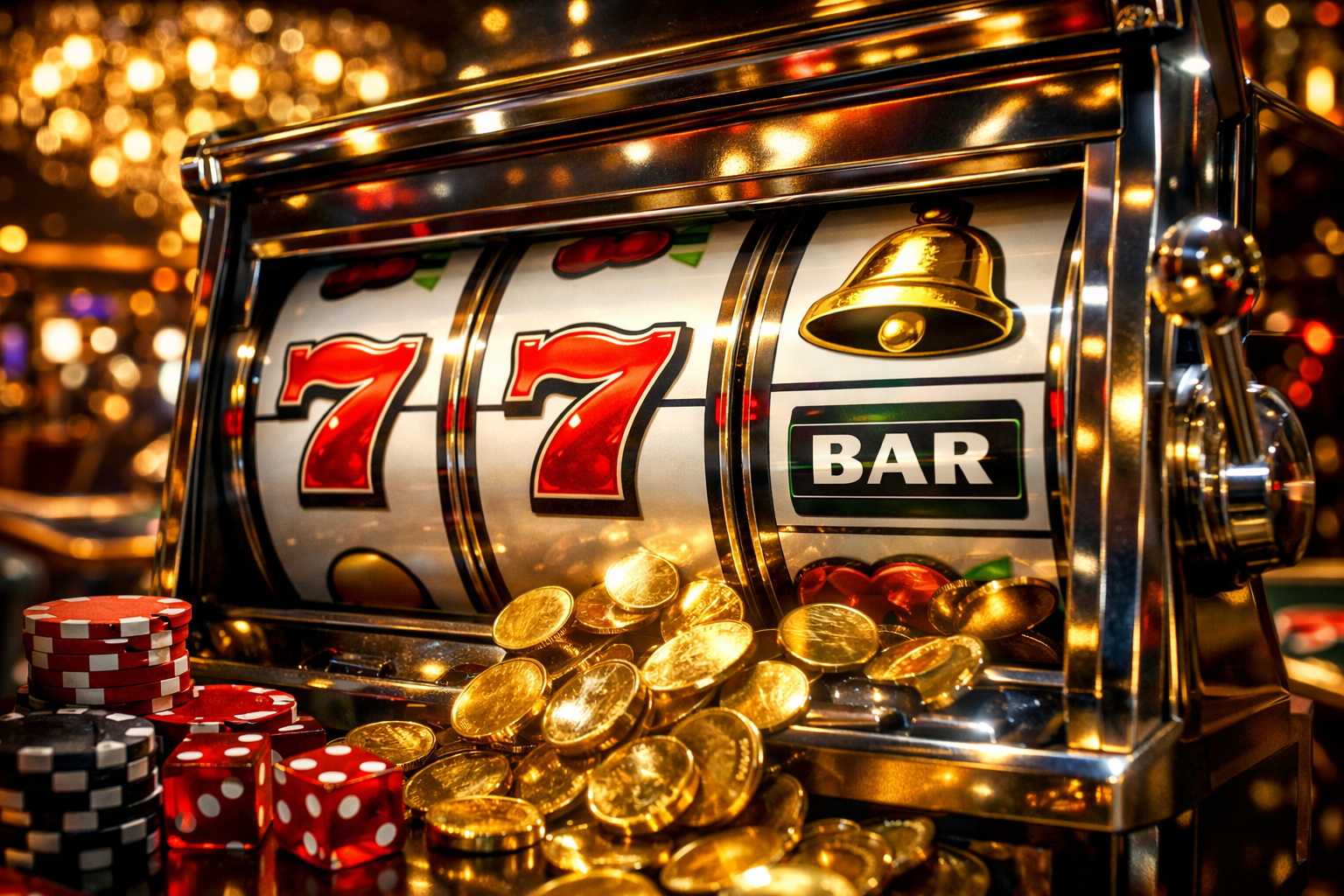
Near-misses appear in many games of chance. A player sees a result that stops just short of a reward. The moment creates tension and curiosity. The outcome counts as a loss. The feeling often resembles a win. This contrast forms the core of the near-miss effect.
Many players notice this moment in games with visible outcomes. A falling ball, spinning wheel, or rolling reel creates anticipation. The player follows the movement with attention. The final position determines the reward. A result that lands beside a big prize feels different from a clear miss. The distance appears small, even though the result remains the same.
Games such as Plinko New Zealand highlight this sensation in a very natural way. The ball moves through pegs and changes direction many times. Each bounce builds suspense. The player watches the ball approach high-value slots at the bottom. When the ball lands beside a large multiplier, the moment feels dramatic. The experience gives the impression that the win almost happened.
Human perception plays a large role in near-miss experiences. The brain reacts strongly to rewards and potential rewards. A near-miss triggers anticipation and emotional engagement. The result sits close to success. The brain treats the moment as meaningful progress.
Motivation increases during these situations. The player remembers the close outcome. The mind focuses on the possibility of the next attempt. A near-miss feels like a signal that success may arrive soon. The player experiences excitement instead of pure disappointment. This reaction appears even when the game relies on chance.
Psychologists often link near-miss effects to reward processing. The brain releases small bursts of excitement during uncertain outcomes. A close result strengthens the expectation of a reward. The player feels encouraged to continue. The experience feels dynamic and interactive. This response explains why near-miss moments attract attention and remain memorable.
Game design often highlights moments that feel close to success. Visual cues guide the player’s attention toward potential rewards. Bright colors, moving objects, and clear prize zones create a strong visual structure. The player notices where the best outcomes appear. This clarity makes near-miss results more noticeable.
Motion also plays an important role. A moving element creates a narrative within the game. The player watches the path of a ball, token, or symbol. Each movement step builds anticipation. The final result arrives after a brief journey. A result that stops next to a high reward feels dramatic because the player followed every moment.
In games with physical paths or bouncing mechanics, this effect becomes even stronger. The player observes a sequence of small events. Each bounce or shift changes the direction of the outcome. The journey looks unpredictable yet understandable. When the final position appears beside a valuable prize, the player remembers the path. The near-miss moment feels vivid and emotionally engaging.
Near-miss outcomes create a sense of unfinished success. The player experiences the idea of being close to a reward. The moment leaves a strong impression. Many players interpret the experience as progress rather than failure. This perception encourages another attempt.
Engagement grows through repetition and anticipation. A player remembers the previous result and imagines a different ending. The next round carries fresh hope. The process becomes part of the entertainment. Each attempt contains suspense and possibility. The near-miss effect transforms ordinary losses into interesting moments.
Curiosity also plays a key role. People enjoy exploring uncertain outcomes. A near-miss suggests that the game still holds surprises. The player continues in search of a satisfying result. The process creates rhythm and emotional involvement. This combination explains why near-miss moments hold such persuasive power in many games of chance.