 This Week
Now
This Week
Now
This Week
Now
This Week
Now
Marketing pages love big numbers — four thousand games, ninety-four percent RTP, megaways, jackpots. None of those figures tells you how a session will feel in the next twenty minutes. Return-to-player (RTP) and volatility (variance) are the two labels that come closest, yet both are widely misunderstood by players who treat them like promises rather than long-term statistical descriptions.
This guide is for UK adults aged 18 and over. It explains how to read RTP and volatility on offshore-accessible casino lobbies, including combined platforms that mix slots, live tables and sportsbook products under one login. It does not predict outcomes or recommend specific titles.
What RTP actually means
RTP expresses the theoretical percentage of total stakes a game returns to players over millions of spins. A slot advertised at 96% RTP implies that, over an enormous sample, roughly four percent of wagered money remains with the house as margin — before accounting for bonus features, bet sizing and individual session variance.
Critical limitations:
- RTP is long-term — your next hundred spins can diverge wildly
- Published RTP may refer to a default configuration; some games offer multiple RTP settings chosen by the operator
- Bonus buy features and side bets sometimes carry different RTP than base game spins
- Progressive jackpots can lower base-game RTP while funding the pool
RTP helps compare similar games at the same stake level. It does not rank which game will pay you tonight.
Volatility: the session-shape variable
Volatility describes payout distribution, not average return. High-volatility slots pay less frequently but with larger potential spikes. Low-volatility titles drip smaller wins more often, producing flatter balance curves.
Neither is morally superior. High volatility suits players who accept long dry spells for occasional big hits. Low volatility suits shorter entertainment sessions with gentler swings — provided stake size matches budget.
Lobby labels vary: "low / medium / high", star ratings, or provider-specific terminology. If a game lacks a label, demo play reveals feel faster than any badge.
Where to find RTP on operator sites
Reputable lobbies expose RTP in:
- Game info panels (i icon inside the client)
- Provider help files linked from the game
- Dedicated fairness or games pages in the footer
If RTP is nowhere visible after reasonable search, treat opacity as a selection filter — not proof of unfairness, but a signal about transparency culture.
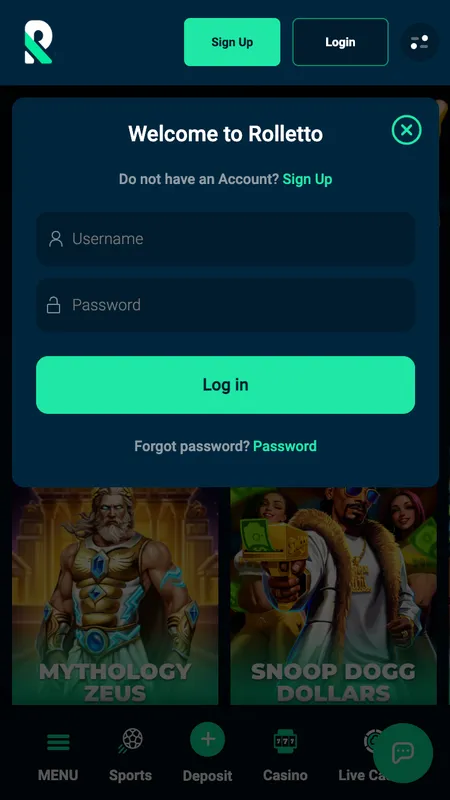
Logged-in accounts often surface recently played titles and favourites, making it easier to track which RTP bands you actually use versus which ones marketing pushed in carousel banners.
RTP and bonus clearing interactions
Welcome bonuses frequently exclude high-RTP slots, bonus-buy modes, or named low-edge titles from rollover contribution. A 98% RTP slot may be banned during active wagering while a 94% megaways title counts fully — counterintuitive if you assume higher RTP always helps the player during promos.
Read the excluded-games annex before choosing a clearing strategy. RTP shopping during bonus play can void progress if the title sits on a restricted list.
Volatility and bankroll sizing
A rule of thumb used by disciplined recreational players: match volatility to session bankroll and time available.
- Low volatility: smaller bankroll, shorter time, lower stress
- High volatility: larger buffer or smaller stake per spin, longer horizon, explicit stop-loss
Chasing losses on high-volatility games accelerates ruin because dry spells extend further than intuition expects. Safer gambling tools — deposit limits, loss limits, session timers — matter more when variance is high.
Megaways, clusters and feature density
Modern mechanics change volatility feel without changing the RTP label on the tin. Megaways expand ways-to-win per spin; cluster pays cascade symbols; hold-and-win features concentrate value in bonus rounds. Two games at identical RTP can feel nothing alike.
Demo mode exists to sample feature frequency. Ten minutes of fun-play reveals more than a homepage screenshot.
Live casino RTP is a different conversation
Live dealer games — blackjack, roulette, baccarat — express house edge through rules (deck count, payout tables, zero count) rather than a single RTP integer on a slot tile. Combined platforms market both under one brand; do not import slot RTP assumptions into live felt.
Sportsbook products attached to the same wallet carry no RTP at all — variance comes from odds and stake selection, not RNG certificates.
Provider reputation as a proxy
Established studios publish RTP ranges and undergo third-party testing on many Curacao-licensed platforms. Unknown aggregators with anonymous thumbnails deserve smaller exploratory stakes until you verify certificates or help files.
When browsing a large catalogue on Rolletto or similar hubs, filter by providers you already trust before exploring long-tail titles from unfamiliar names.
Jackpot pools and displayed RTP
Wide-area progressives skim a slice of each bet into shared pools. Base-game RTP on the info panel may exclude the jackpot contribution or show a blended figure. Chasing jackpots is a separate entertainment decision from the worst effective odds on the floor — fine if treated as lottery-style spend, dangerous if confused with steady RTP play.
Session logging for self-awareness
Private notes — date, game, stake, duration, outcome — beat memory when evaluating whether volatility matches your temperament. Patterns emerge: chasing bonus rounds, raising stakes after dry spells, playing excluded titles during promos. Data supports safer decisions more than superstition.
Offshore licensing context
Curacao-regulated casinos accessible from the UK are not UKGC-licensed. Testing lab presence and RTP publication practices vary by operator and provider integration. RTP transparency is one quality signal among many — alongside banking clarity, dispute paths and responsible gambling tooling.
Common myths to discard
- "Due for a win" after losses — spins are independent in RNG slots
- "Higher RTP guarantees profit tonight" — it does not
- "Low volatility cannot lose quickly" — it can, especially with oversized stakes
- "Demo RTP differs from real" — usually identical; demos differ only because no money moves
UK stake sizing against published RTP bands
Most UK-facing lobbies display stakes in pounds even on Curacao-licensed platforms, but minimum spins often start at ten or twenty pence while maximums reach tens per line on high-volatility titles. RTP comparisons only matter at the stake level you actually use — a 96.5% game played at minimum bet feels identical mathematically to the same title at £2 spins, but your session bankroll in GBP determines whether high variance is survivable. Before committing to a clearing strategy on a welcome offer, check whether excluded-games lists reference specific providers common in UK marketing carousels — Pragmatic, NetEnt and Play'n GO titles appear frequently in both promotional banners and restricted annexes, a pairing that catches players who chase RTP without reading bonus small print.
British safer gambling campaigns emphasise stake affordability over theoretical return percentages — a sensible ordering for recreational play. RTP still helps compare similar titles at your chosen denomination, but no published percentage overrides the need for pre-set loss limits when variance runs against you across a single evening session.
Safer gambling reminder
Slots are negative-expectation entertainment. RTP and volatility help choose experience shape, not income. Set deposit and loss limits before opening any game client. If sessions stop feeling recreational, pause and contact GamCare or BeGambleAware. 18+ only. Gamble responsibly. Not financial advice.