 This Week
Now
This Week
Now
This Week
Now
This Week
Now
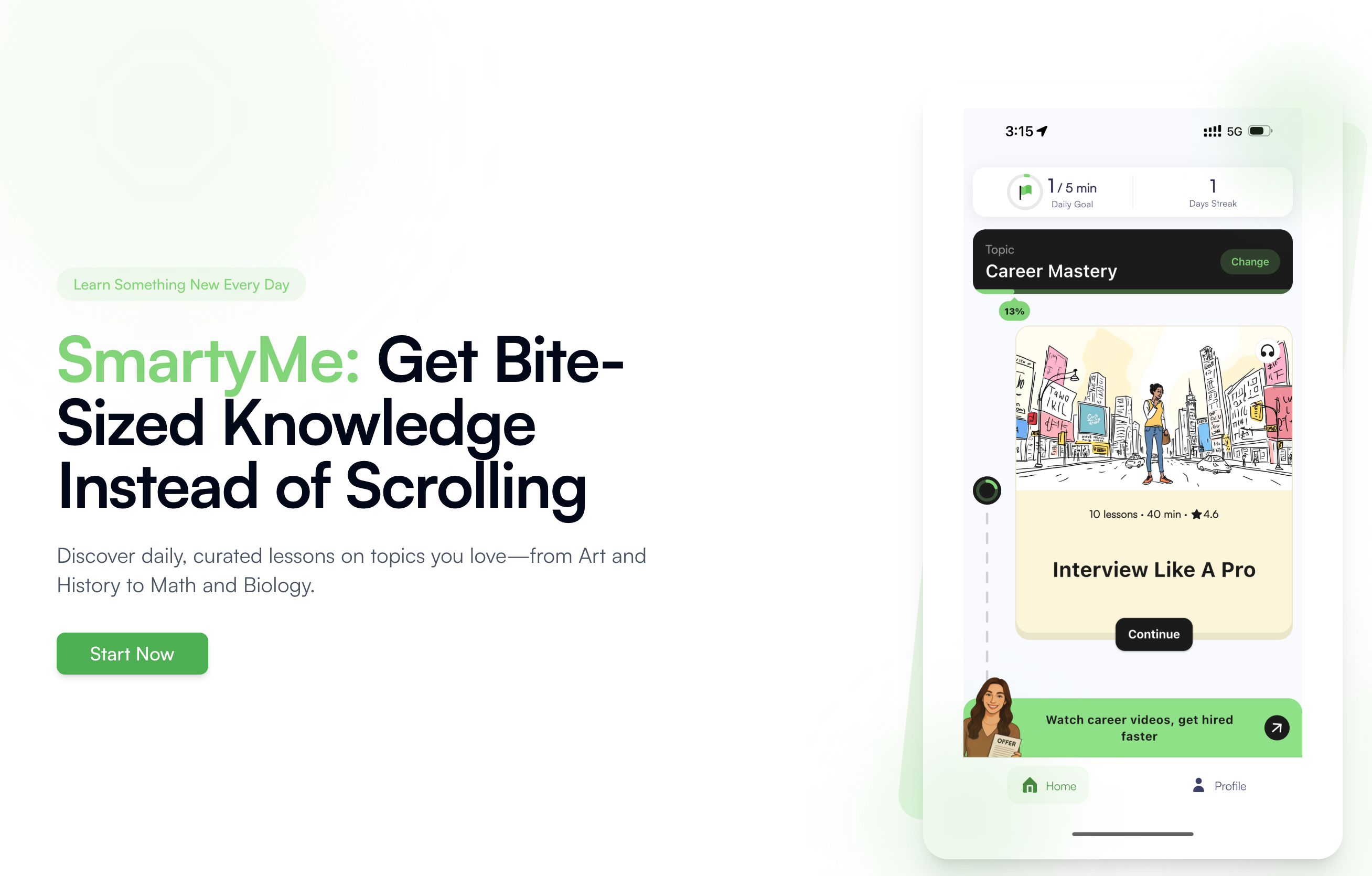
Three months is long enough to know whether something has actually become a habit. By day ninety, the novelty is gone, the initial enthusiasm has faded, and what's left is the part that survives - or doesn't. After ninety days of using SmartyMe for one short lesson per day, the more interesting takeaways aren't really about the app itself. They're about what the experience of daily microlearning revealed about how I actually engage with information when nobody is grading me on it.
A few things settled into place over the ninety days that I wasn't expecting on day one:
These weren't surprises in some abstract sense. They were lessons I'd read about before, but reading about them and actually living them produced different kinds of understanding. The app currently holds a 4.6 rating in the US App Store and 4.1 on Trustpilot (April 2026), which is consistent with what I experienced - the format does what it describes.
The bigger insight came halfway through the three months. I noticed that the fifteen-minute format wasn't just convenient - it was a format my attention could actually sustain reliably. Longer sessions had always trailed off into rereading the same paragraph, checking my phone, or losing the thread entirely. Fifteen minutes, on the other hand, finished before any of that started happening.
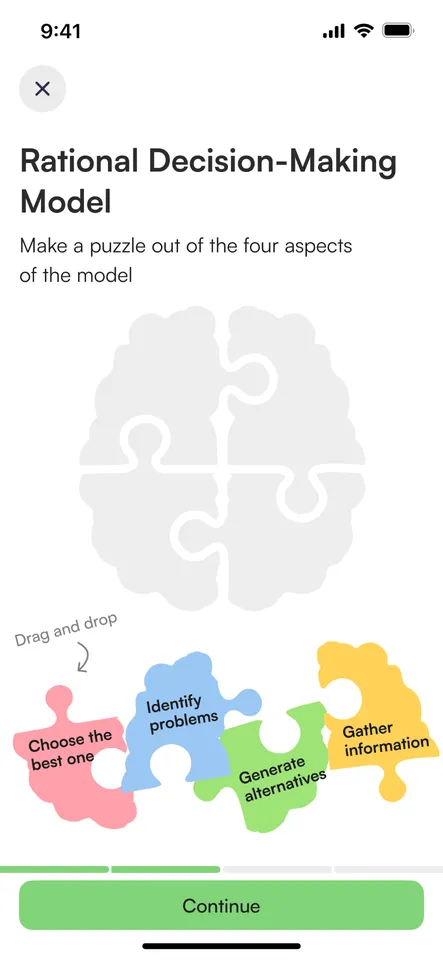
That changed how I thought about study time generally. The default assumption - that more time spent equals more learning - turned out to be less true than I'd assumed. What mattered more was whether attention held for the full session. A focused fifteen minutes consistently produced more retained information than a distracted hour. The format wasn't a compromise on depth. It was a reasonable match to how my attention actually behaved.
For people curious whether other long-term users describe similar experiences, the official Reddit community has a thread covering practical starting points and how the format plays out in real use: https://www.reddit.com/r/Smartymeapp/comments/1qp7lr5/welcome_to_rsmartymeapp_you_can_start_here/. The recommendations there match what I noticed myself - pick something that genuinely interests you, do one short lesson at a consistent time, don't force missed days into doubled sessions. Reading other users describe similar shifts in how they think about daily learning helped confirm that what I experienced wasn't unique to my situation.
There's still a question worth being honest about: ninety days of microlearning isn't the same as ninety days of deep study on one subject. I haven't become a finance expert or a psychology specialist or fluent in anything new. What I have done is built a daily learning habit that survives busy weeks, accumulated broad familiarity across topics I cared about, and changed how I think about my own attention. Those are genuine outcomes, but they're not the same as mastery, and it would be dishonest to claim otherwise.
For anyone considering whether ninety days of this kind of learning is worth it, the honest answer depends on what you're hoping to get from it. If you want a steady habit of small daily learning that actually sticks, the format works. If you're looking for a way to deeply master one specific subject, you'll need to combine it with other tools. The first week of personal use tends to make that distinction clear, which means you don't have to wait three months to know whether the format matches your goals.